

1. Enzyme-Based Polishing Strips
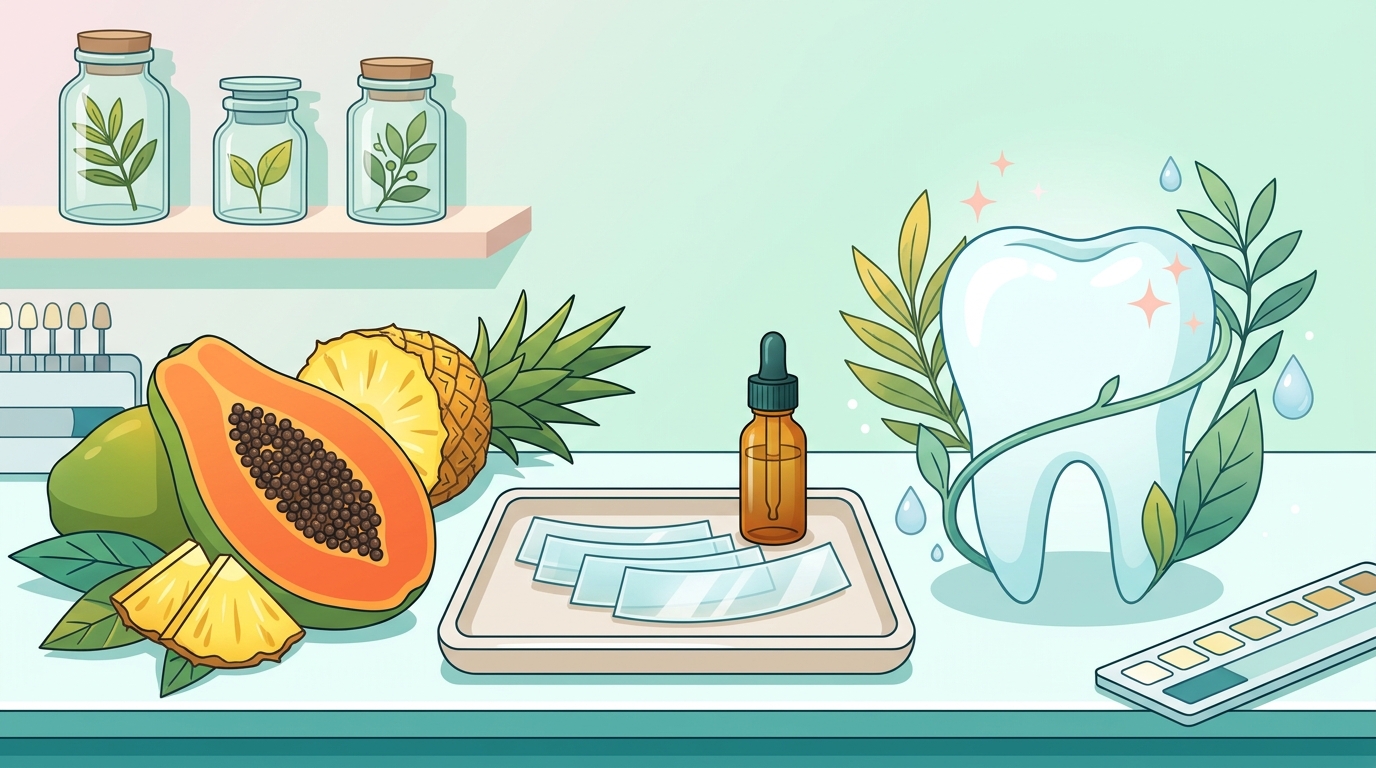
Enzymes gently dissolve surface stains without chemical bleaching. These strips use natural enzymes, often derived from papaya or pineapple, to break down the protein bonds that hold stains to your enamel. This biological approach is significantly milder than peroxide, making it ideal for those with high sensitivity. The process is slow but steady, focusing on cleaning rather than altering the tooth's intrinsic color. If you have specific questions about these methods, you can contact our team.
2. Hydroxyapatite Infused Strips
Hydroxyapatite repairs enamel while masking discoloration. Hydroxyapatite is a mineral that naturally occurs in tooth enamel and bone. Strips infused with this compound help remineralize weakened enamel, which can reduce sensitivity over time. By filling in microscopic pores and scratches on the tooth surface, these strips create a smoother, more reflective surface that appears whiter without using harsh chemicals. For additional details, review the Crest Whitestrips.
3. Charcoal-Activated Cleaning Strips
Activated charcoal adsorbs surface debris for a cleaner look. Charcoal is a powerful adsorbent that binds to toxins and surface stains on the tooth. While it does not bleach the tooth, it effectively removes the dark residue from coffee, tea, and tobacco. This method is purely mechanical and chemical-free in terms of bleaching, offering a safe option for those who find peroxide irritating. For additional details, review the Crest Whitestrips blog.
4. Optical Brightener Coated Strips
Optical brighteners reflect light to create an instant white illusion. These strips contain compounds that absorb ultraviolet light and re-emit it as visible blue light. This effect counteracts the yellow tones in teeth, making them appear whiter to the human eye. It is a cosmetic solution rather than a permanent change, but it provides immediate visual results without any chemical interaction with the enamel. For additional details, review the Over ons page.
5. Low-Grit Abrasive Strips
Gentle abrasives polish away surface stains safely. Some peroxide-free strips use very fine, low-grit abrasives to physically polish the tooth surface. This is similar to the action of a soft toothbrush but more targeted. It is crucial to choose strips with a low Relative Dentin Abrasivity (RDA) score to ensure you are not wearing down your enamel while trying to whiten it.
6. Professional-Grade Enamel Shield Strips
Choosing the Right Alternative
Selecting the best peroxide-free strip depends on the source of your staining. If your teeth are yellow due to diet, enzyme or charcoal strips are effective. If your sensitivity is caused by enamel erosion, hydroxyapatite strips are the superior choice. Always consult with a dentist before starting any new whitening regimen to ensure it aligns with your specific dental health needs.
Frequently Asked Questions
Are peroxide-free whitening strips safe for daily use?
Do peroxide-free strips actually whiten teeth?
Peroxide-free strips primarily remove surface stains and improve the optical appearance of teeth. They do not change the intrinsic color of the tooth like peroxide does. Therefore, the results are often more subtle and focus on cleaning and polishing rather than deep bleaching.
Can I use peroxide-free strips if I have crowns or fillings?
Yes, peroxide-free strips are generally safe for use with dental restorations. Since they do not bleach the tooth structure, they will not cause the mismatched appearance that can occur when natural teeth whiten but crowns do not. This makes them a safer option for people with extensive dental work.
How long does it take to see results with peroxide-free strips?
Results from peroxide-free strips are typically gradual. You may notice a cleaner, brighter appearance within a few days, but significant changes in stain removal may take several weeks of consistent use. Patience is required as these products work through polishing and enzymatic action rather than rapid chemical bleaching.
Where can I find reliable whitening products in the Netherlands?
You can explore a wide range of dental care products at Whitestrips-shop.nl. While they specialize in original Crest products, their catalog includes various toothpastes and mouthwashes that support overall oral health and can complement your whitening routine.
What should I do if my teeth are still sensitive after switching?
If sensitivity persists, stop using any whitening products and consult your dentist. Sensitivity can be a sign of underlying dental issues such as cavities or gum recession. A professional evaluation is necessary to determine the cause and recommend the appropriate treatment plan. Learn more: Contact 8211 Whitestrips shop.