

Peroxide strips are the most effective at-home method for reversing deep yellow discoloration because they use a chemical reaction to break down stains inside the enamel. Unlike abrasive pastes that only scrub the surface, hydrogen peroxide penetrates the tooth structure to lighten the core. At Whitestrips-shop.nl, we focus exclusively on original Crest products to ensure you get safe, verified results for your smile.
The Chemistry Behind Deep Stain Removal
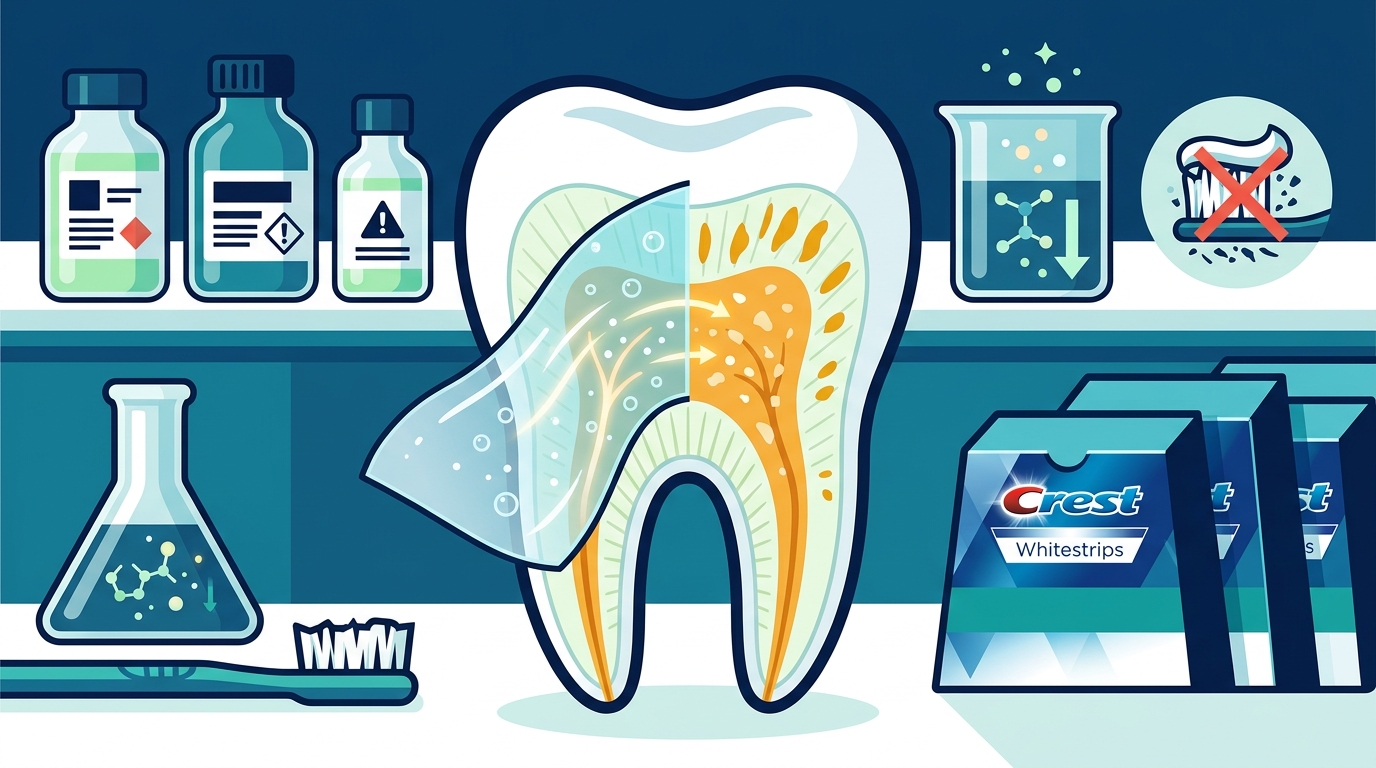
Understanding the mechanism is critical for managing expectations. Hydrogen peroxide is the active ingredient that drives the whitening process. It works by releasing oxygen molecules that penetrate the porous enamel and dentin layers. This chemical reaction oxidizes the chromogens, or color-causing molecules, that have accumulated over years of coffee, tea, or red wine consumption. The result is a fundamental shift in the tooth's color rather than a temporary surface clean.
This distinction matters because surface stains are often the only thing whitening toothpaste can address. For stubborn yellow teeth, the stain has usually migrated below the surface. The peroxide in strips like the Crest Professional Effects is formulated to reach these deeper layers. The higher the concentration of peroxide, the faster the reaction, but it also increases the potential for sensitivity. This is why professional-grade strips are designed with specific time limits to balance efficacy with enamel safety.
Safety Protocols and Enamel Protection
Safety is the primary concern when using peroxide-based products. The safety and reliability guidelines provided by manufacturers emphasize that these strips are safe for enamel when used exactly as directed. The American Dental Association has accepted Crest 3D Whitestrips, noting they are effective and safe for natural teeth. However, safety is conditional. You must follow the prescribed wear time. Wearing the strips longer than recommended does not whiten teeth faster; it only increases the risk of tooth sensitivity and gum irritation.
Managing Sensitivity During Treatment
Temporary tooth sensitivity is the most common side effect of peroxide whitening. This occurs because the peroxide temporarily dehydrates the tooth, making the nerve more reactive to temperature changes. If you experience mild sensitivity, the standard advice is to pause the treatment for a day or two. Many users find that alternating days of use allows the teeth to rehydrate and settle down. If the sensitivity persists or becomes painful, you should stop using the strips immediately.
For those who know they have sensitive teeth, choosing a milder formula is a smart strategy. The Crest Sensitive White strips are specifically designed for this demographic. They use a lower concentration of peroxide and a shorter wear time, typically 30 minutes per day. This approach may take longer to achieve the desired shade, but it significantly reduces the likelihood of discomfort. Pairing your whitening routine with a sensitivity-relief toothpaste can also help build a protective barrier around the nerve, making the peroxide treatment more tolerable.
Choosing the Right Strip for Your Stains
Not all peroxide strips are created equal. The intensity of the treatment should match the severity of your discoloration. For mild yellowing, a standard strip might suffice. However, for stubborn, deep yellow teeth, you need a product with a higher peroxide concentration and a longer treatment duration. The Crest Age Renewal strips are a prime example of a high-intensity option. They are designed to remove up to 25 years of discoloration and are worn for 60 minutes a day over 20 days. This extended contact time allows the peroxide to work on the deepest layers of the enamel.
Maintaining Your Results After Treatment
Whitening is not a permanent solution. The results of peroxide strips can last anywhere from six months to three years, depending on your habits. If you continue to consume staining foods and beverages, your teeth will gradually return to their original color. To maintain your results, you need to adopt a maintenance routine. This includes using a whitening toothpaste daily to remove surface stains and avoiding excessive intake of coffee, tea, and red wine. If you do consume these items, rinsing your mouth with water immediately afterward can help minimize stain absorption.
Key Takeaways
- Peroxide penetrates enamel: Unlike abrasive pastes, peroxide strips chemically break down deep stains inside the tooth structure.
- Follow time limits: Wearing strips longer than recommended does not improve results and increases the risk of sensitivity.
- Check for restorations: Crowns, veneers, and fillings will not whiten, potentially causing a mismatched smile.
- Sensitivity is manageable: Mild sensitivity is common and can often be resolved by pausing treatment or using a milder formula.
- Match intensity to stains: Deep yellow teeth require high-concentration strips with longer wear times for effective results.
- Maintenance is essential: Daily whitening toothpaste and touch-up treatments are necessary to keep results long-lasting.
Frequently Asked Questions
Do peroxide strips damage tooth enamel?
When used according to the manufacturer's instructions, peroxide strips are safe for tooth enamel. The American Dental Association has accepted Crest 3D Whitestrips as safe and effective. However, overuse or wearing the strips for longer than the recommended time can lead to enamel erosion or increased sensitivity. Always follow the specific guidelines provided with your product.
How long does it take to see results with peroxide strips?
Most users notice a visible difference after the first few days of treatment. The full course, which typically lasts between 10 and 20 days depending on the product, provides the maximum whitening effect. The speed of results depends on the concentration of peroxide and the severity of the initial discoloration.
Can I use peroxide strips if I have sensitive teeth?
Yes, but you should choose a product specifically designed for sensitive teeth. These strips typically contain a lower concentration of peroxide and require a shorter wear time. If you experience significant pain, stop using the strips and consult your dentist. Using a sensitivity-relief toothpaste alongside the strips can also help.
Will peroxide strips whiten my crowns or veneers?
No, peroxide strips only affect natural tooth enamel. Dental restorations such as crowns, veneers, and fillings are made from different materials that do not react to peroxide. This means that if you have restorations, your natural teeth may become whiter than your dental work, creating a mismatched appearance.
How long do the whitening results last?
The longevity of the results depends on your lifestyle and dietary habits. On average, results can last from six months to three years. Consuming staining foods and beverages like coffee, tea, and red wine will cause your teeth to re-stain faster. Regular touch-up treatments and daily use of whitening toothpaste can help extend the duration of your results.
Start Your Whitening Journey
Ready to tackle stubborn yellow teeth? Explore our full range of original Crest Whitestrips and complementary dental care products at Whitestrips-shop.nl. We ensure you receive authentic products with fast shipping and secure payment options, helping you achieve the confident smile you deserve.