

The Science of Non-Peroxide Whitening
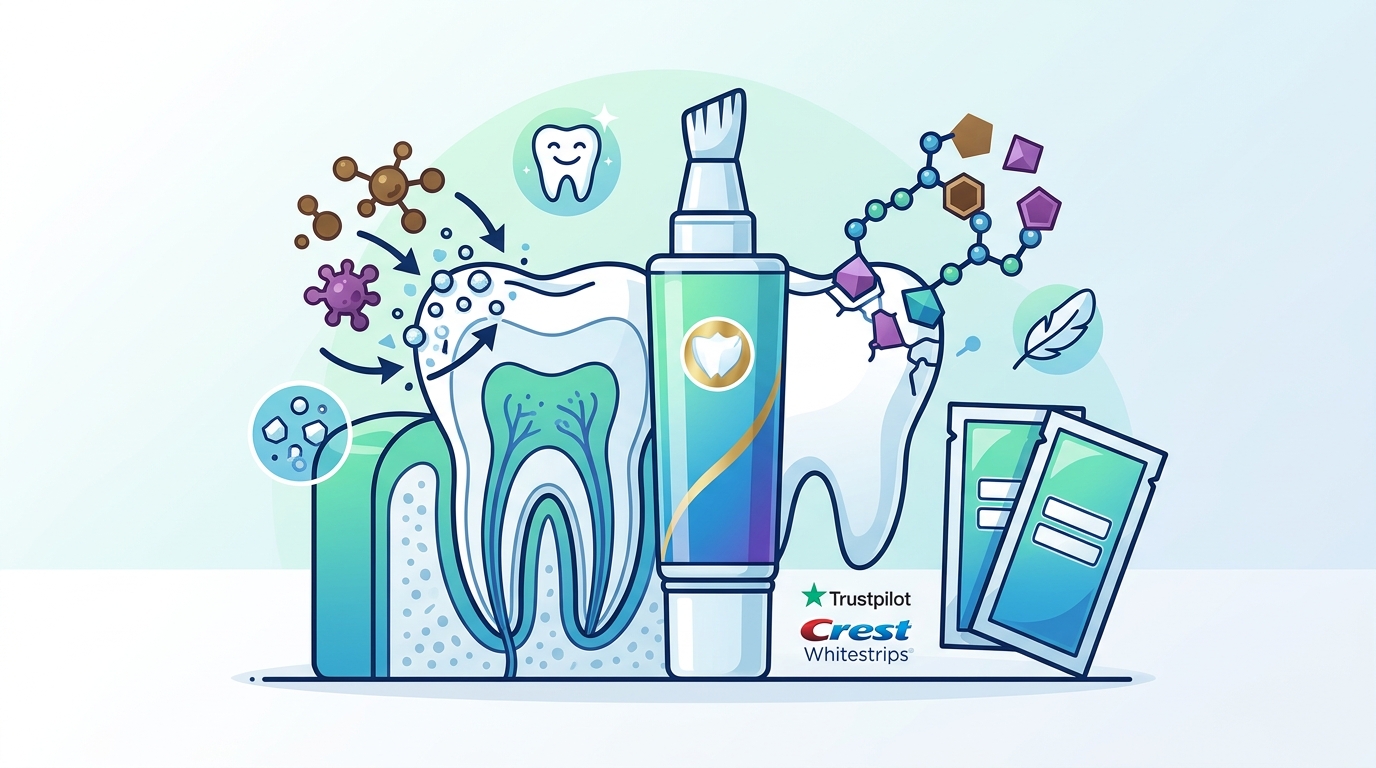
The primary mechanism in non-peroxide products is abrasion. Microcrystals or mild polishing agents scrub away coffee, tea, and wine stains. Another mechanism is chelation, where specific acids bind to metal ions in the stain molecules, lifting them off the tooth surface. This distinction is critical for sensitive patients. Because the enamel is not chemically bleached, the risk of transient hypersensitivity is significantly lower. For additional details, review the .
It is important to understand that non-peroxide methods are not bleaching agents. They cannot change the intrinsic color of the tooth. If your teeth are naturally yellow due to thick enamel or aging, non-peroxide products will have limited effect. They are best suited for removing surface discoloration caused by diet and lifestyle habits. For additional details, review the Customer Experience.
Common Non-Peroxide Alternatives
Several product categories fall under the non-peroxide umbrella. Each has distinct advantages and limitations for sensitive teeth. Understanding these options helps you choose the right tool for your specific dental condition. For additional details, review the Frequently Asked Questions.
Polishing Toothpastes: These contain mild abrasives like hydrated silica or calcium carbonate. They are the safest daily option. Look for products with a low Relative Dentin Abrasivity (RDA) score. A low RDA indicates the paste is gentle enough for daily use without wearing down enamel. For additional details, review the About.
Chelating Gels: These gels use citric acid or similar compounds to lift stains. They are often applied in-office by a dentist. The process is controlled and monitored, reducing the risk of over-application. This method is effective for moderate surface stains.
LED Light Kits: Some home kits use blue light to activate a non-peroxide gel. The light may help the gel penetrate surface stains more effectively. However, the evidence for light activation without peroxide is mixed. The gel itself does the work, and the light is often a marketing feature. according to LED Light Therapy
Managing Sensitivity During Treatment
Even non-peroxide methods can cause mild discomfort if used incorrectly. Sensitive teeth are often the result of exposed dentin tubules. These microscopic channels lead directly to the nerve. Any aggressive scrubbing or chemical interaction can stimulate these nerves.
To minimize discomfort, follow these guidelines. First, use a soft-bristled toothbrush. Hard bristles can wear down enamel and expose more dentin. Second, avoid acidic foods and drinks immediately after whitening. Acid can soften the enamel, making it more susceptible to abrasion. Third, use a desensitizing toothpaste containing potassium nitrate or stannous fluoride. These ingredients help block the dentin tubules, reducing nerve stimulation.
If you experience sharp pain or prolonged sensitivity, stop using the product immediately. Consult your dentist to rule out other issues like cavities or gum recession. Persistent sensitivity is a sign that the tooth structure is compromised, not just a reaction to the whitening agent.
Setting Realistic Expectations
Non-peroxide whitening is a maintenance tool, not a dramatic transformation. It will not turn dark yellow teeth white. It will remove the gray or brown film that accumulates on the surface. The results are subtle but noticeable. You may see a difference of one to two shades on the VITA scale.
Consistency is key. Daily use of a polishing toothpaste or weekly use of a chelating gel will maintain brightness. Skipping treatments allows stains to rebuild. For best results, combine non-peroxide whitening with good oral hygiene. Brush twice a day, floss daily, and limit stain-causing foods. This holistic approach protects your enamel and keeps your smile bright.
Remember that whitening is a cosmetic enhancement. It does not treat dental disease. If you have cavities, gum disease, or cracked teeth, address those issues first. Whitening over damaged teeth can cause pain and further damage. A healthy mouth is the foundation of a bright smile.
Choosing the Right Product for You
When shopping for non-peroxide whitening products, read the ingredient list carefully. Avoid products that list hydrogen peroxide or carbamide peroxide as active ingredients. Look for terms like "polishing," "abrasive," or "chelating." Check the RDA score if available. A score below 70 is considered low abrasion and safe for daily use.
Consider your specific stain source. If your stains are from coffee or tea, a polishing toothpaste is likely sufficient. If your stains are from smoking or heavy red wine use, a chelating gel or professional cleaning may be needed. Match the product to the problem. Using a strong abrasive for light stains is unnecessary and potentially harmful.
Key Takeaways
- These methods are generally safer for sensitive teeth than peroxide-based products.
- Polishing toothpastes with a low RDA score are the safest daily option.
- Chelating gels are effective for moderate stains but should be used under professional guidance.
- Non-peroxide methods cannot change the intrinsic color of the tooth.
- Consistency and good oral hygiene are essential for maintaining results.
- Stop using any product if you experience sharp or prolonged pain.
Frequently Asked Questions
Is non-peroxide whitening effective for sensitive teeth?
Yes, it is generally effective and safer for sensitive teeth. It removes surface stains without the chemical irritation caused by peroxide. However, it will not bleach the tooth structure.
Can I use non-peroxide whitening every day?
Polishing toothpastes can be used daily if they have a low RDA score. Chelating gels and other treatments should be used less frequently, as directed by the product label or your dentist.
Will non-peroxide whitening remove coffee stains?
Yes, it is very effective for removing coffee, tea, and wine stains. These are extrinsic stains that sit on the surface of the enamel. Abrasion and chelation can lift them off.
Does non-peroxide whitening damage enamel?
When used correctly, it does not damage enamel. However, aggressive scrubbing or using high-abrasion products can wear down enamel over time. Choose gentle products and use them as directed.
How long does it take to see results?
Results vary. Polishing toothpastes show gradual improvement over weeks. Chelating gels may show results after one or two applications. Professional cleanings provide immediate results.
Can I combine non-peroxide whitening with peroxide strips?
It is generally safe to combine them, but be cautious. Use peroxide strips as directed, and use non-peroxide products for maintenance. Do not use both at the same time to avoid over-stimulating your teeth.