

What Peroxide Percentage Actually Works Best for Your Teeth Whitening Goals?
Understanding Peroxide Concentrations in Whitening Strips
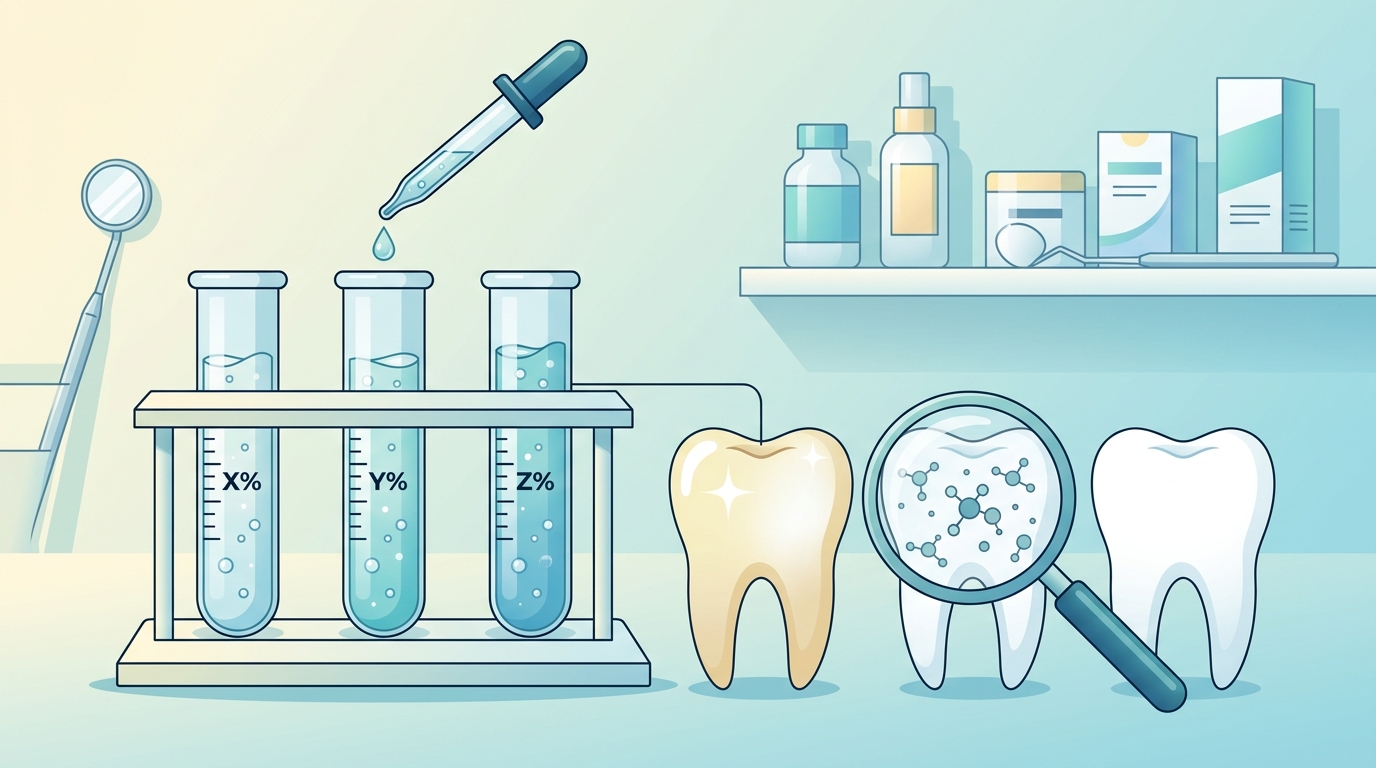
Hydrogen peroxide is the active ingredient in most over-the-counter whitening strips. It works by penetrating the enamel and breaking down stain molecules. The concentration of this ingredient directly impacts how quickly and effectively your teeth whiten. Peroxide concentration is the measure of active whitening agent present in the gel, typically expressed as a percentage.
Most consumer-grade whitening strips in the Netherlands and Europe use hydrogen peroxide concentrations ranging from 6% to 15%. Professional dental treatments often use carbamide peroxide, which breaks down into hydrogen peroxide and urea. When comparing products, it is crucial to look at the active ingredient label. A strip labeled with 10% hydrogen peroxide is significantly more potent than one with 6%, but it also requires careful usage to avoid irritation.
Matching Strength to Your Stain Level
Your starting tooth color dictates the appropriate strength. If your teeth are naturally light yellow or white, a lower concentration is sufficient. For individuals with moderate staining from coffee, tea, or red wine, a mid-range concentration is ideal. Stain severity is the primary factor in determining whether you need a gentle or aggressive whitening protocol.
The Sensitivity Trade-Off
Higher peroxide concentrations penetrate enamel faster, which can lead to temporary tooth sensitivity. This is a common side effect of aggressive whitening. Tooth sensitivity is a temporary discomfort caused by the peroxide reaching the nerve endings in the dentin. It usually subsides within a few days after stopping the treatment.
If you have a history of sensitive teeth, start with the lowest effective concentration. You can always increase the strength in subsequent treatments if the initial results are not satisfactory. Many users find that alternating between a lower strength strip and a desensitizing toothpaste manages the process comfortably. At Whitestrips-shop.nl, we recommend starting with a moderate strength if you are unsure, as it provides a safe entry point for most users.
Duration vs. Concentration
There is an inverse relationship between concentration and required treatment duration. A higher percentage peroxide works faster, meaning you need fewer days to achieve the same result. However, the total amount of peroxide exposure over the course of the treatment matters for safety. Treatment duration is the total number of days you use the whitening strips, which should align with the product's recommended protocol.
For example, a 15% hydrogen peroxide strip might achieve the same whitening effect in 7 days as a 10% strip does in 14 days. However, the 15% strip delivers the peroxide more intensely in a shorter window. If you have a specific event coming up, a higher concentration might be practical. For long-term maintenance, a lower concentration used regularly is often more sustainable and less likely to cause issues.
Key Takeaways
- Hydrogen peroxide concentration is the key determinant of whitening speed and intensity.
- Start with a lower concentration if you have sensitive teeth or are new to whitening.
- Higher concentrations work faster but increase the risk of temporary sensitivity.
- Match the strength to your baseline tooth color and stain severity.
- Always follow the manufacturer's recommended treatment duration.
Frequently Asked Questions
What is the highest peroxide percentage available in over-the-counter strips?
In the European market, over-the-counter whitening strips typically max out at 15% hydrogen peroxide. Professional dental treatments can use higher concentrations, but these are applied by a dentist and are not available for home use in the same format.
Is 10% hydrogen peroxide strong enough for coffee stains?
Yes, 10% hydrogen peroxide is generally effective for moderate coffee stains. It may take a full 14-day course to see significant results, but it is a safe and effective choice for most users with daily coffee habits.
Can I use higher concentration strips more frequently?
How do I know if my teeth are too sensitive for high-strength strips?
If you experience sharp pain when consuming cold foods or drinks, your teeth may be sensitive. In this case, start with the lowest available concentration. If sensitivity persists, consult your dentist before continuing any whitening treatment.
Does a higher percentage mean better long-term results?
No, a higher percentage does not necessarily mean better long-term results. It means faster initial whitening. Long-term maintenance depends on your diet and oral hygiene habits, not the strength of the initial treatment.
Choosing the Right Strength for You
Selecting the right peroxide percentage is a personal decision based on your dental history and goals. Start with a moderate strength if you are unsure. Monitor your response and adjust your future purchases accordingly. For a secure and affordable way to purchase original Crest Whitestrips, visit Whitestrips-shop.nl today.