
Do At-Home Whitening Strips Work on Stained Teeth? A Clinical 2026 Analysis
At-home whitening strips have become a cornerstone of modern dental hygiene, with millions of consumers turning to them for cosmetic improvements. According to recent industry data, the global teeth whitening market is projected to reach significant valuation milestones by 2026, driven largely by the demand for accessible, non-invasive cosmetic solutions. This surge in popularity raises a critical question for consumers: do these products actually deliver on their promises for heavily stained teeth? The answer lies in understanding the chemical mechanisms at play and selecting the right formulation for your specific dental profile.
The Science Behind Whitening Strips
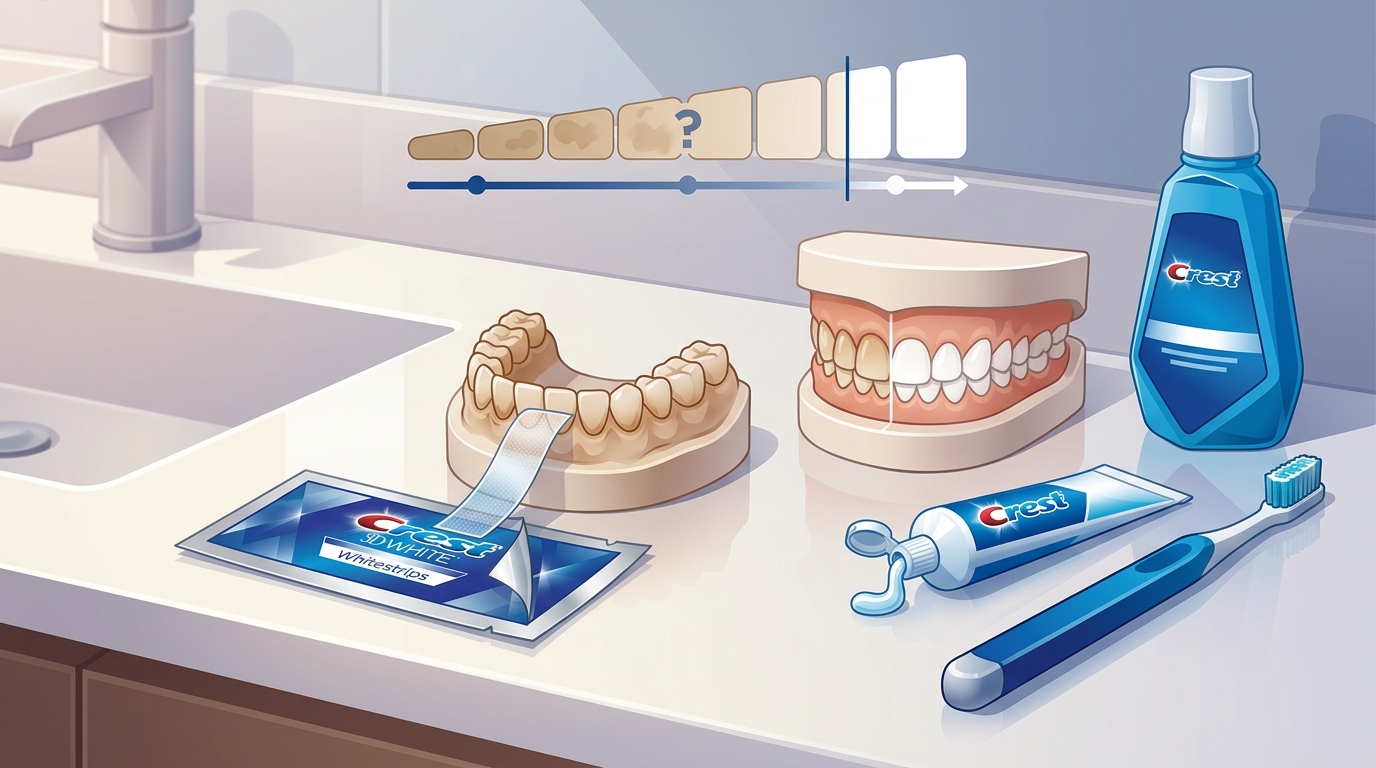
To understand efficacy, we must first define the core technology. Hydrogen peroxide is the active bleaching agent found in most professional-grade whitening strips. When applied to the tooth surface, this compound penetrates the enamel and breaks down complex organic pigment molecules into smaller, less colored particles. This process, known as oxidation, effectively lightens the tooth structure from within.
Unlike surface-level abrasives that merely scrub away plaque, peroxide-based strips alter the intrinsic color of the tooth. This distinction is vital for anyone dealing with deep-set discoloration. The concentration of peroxide determines the speed and intensity of the reaction. Higher concentrations yield faster results but may increase the risk of sensitivity. Lower concentrations require longer treatment periods but offer a gentler approach for sensitive teeth.
Research indicates that consistent use of peroxide-based whitening agents can lead to statistically significant improvements in tooth shade. However, the results are not permanent. External factors such as diet and lifestyle habits will inevitably influence the longevity of your new smile. For those seeking authentic results, sourcing products directly from verified distributors ensures the chemical integrity of the peroxide gel remains intact.
Understanding Stain Types and Efficacy
Not all stains are created equal. The effectiveness of at-home strips depends heavily on the origin of the discoloration. Dental professionals categorize stains into two primary groups: extrinsic and intrinsic.
Extrinsic stains are surface-level discolorations caused by external agents. Common culprits include coffee, red wine, tea, and tobacco. These stains adhere to the enamel and are highly responsive to peroxide-based whitening strips. Users typically see visible improvements within the first few days of treatment. The strips effectively lift these surface pigments, restoring the tooth to its natural baseline shade.
Intrinsic stains originate from within the tooth structure. These can result from trauma, aging, excessive fluoride exposure during childhood, or certain medications. Intrinsic stains are more resistant to at-home treatments. While whitening strips may provide some lightening, the results are often subtler compared to extrinsic stain removal. In severe cases of intrinsic discoloration, professional in-office treatments may be necessary to achieve desired outcomes.
Age-related yellowing is a common form of intrinsic staining. As we age, the enamel thins, revealing the darker dentin layer underneath. Whitening strips can help counteract this yellowing by bleaching the remaining enamel, but they cannot reverse the structural thinning. Understanding this limitation helps set realistic expectations for your whitening journey.
Comparing Crest Whitestrips Variants
Choosing the right product is crucial for optimal results. The market offers various formulations, each targeting different needs. Below is a comparison of popular options available through specialized retailers.
| Product Variant | Target Audience | Key Benefit | Duration |
|---|---|---|---|
| Crest 3D Whitestrips Age Renewal | Adults 35+ | Combines whitening with enamel repair | 10-20 days |
| Crest 3D Whitestrips Professional Effects | General Use | Deep cleaning for stubborn stains | 10-20 days |
| Crest 3D Whitestrips Glamorous White | Sensitive Teeth | Gentle whitening for daily maintenance | 20 days |
The Age Renewal line is particularly notable for its inclusion of calcium and fluoride. This formulation aims to strengthen enamel while whitening, making it a smart choice for older adults whose enamel may be more porous. The Professional Effects variant uses a higher peroxide concentration, making it ideal for those with moderate to heavy extrinsic staining who want dramatic results. Meanwhile, the Glamorous White option is designed for those prioritizing comfort and natural-looking results over extreme lightening.
When selecting a product, consider your current tooth sensitivity and the severity of your stains. Consulting the FAQ section on specialized sites can provide additional clarity on product selection. Always ensure you are purchasing from a reputable source to avoid counterfeit products that may contain ineffective or harmful ingredients.
How to Apply Strips for Maximum Results
Proper application is just as important as product selection. Incorrect usage can lead to uneven whitening or increased sensitivity. Follow these steps to ensure optimal performance.
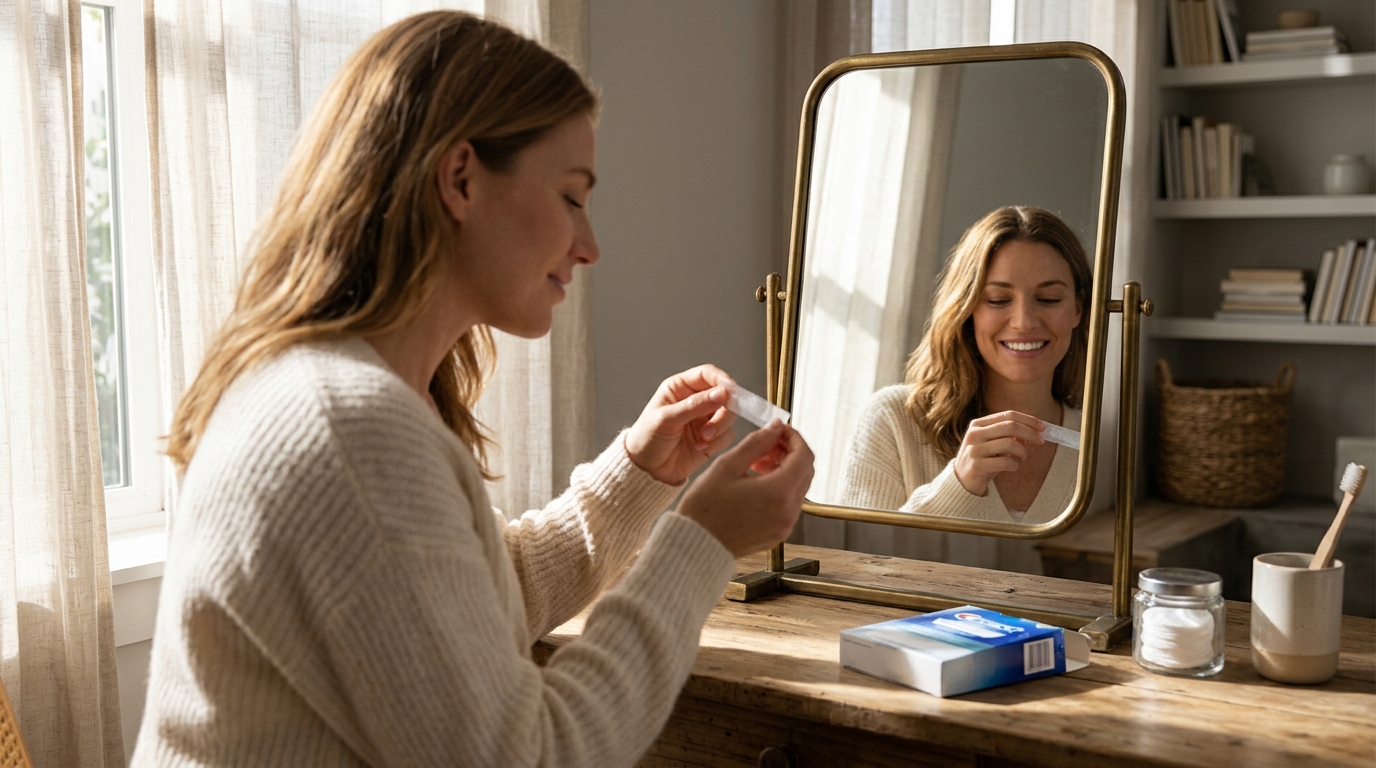
First, prepare your teeth by brushing gently. Avoid using whitening toothpaste immediately before application, as it may leave a residue that interferes with the strip's adhesion. Dry your teeth thoroughly with a tissue. Moisture can prevent the strip from sticking properly, reducing the efficacy of the peroxide gel.
Apply the strip with the gel side facing your teeth. Press firmly along the gum line to ensure a tight seal. The strip should adhere comfortably without causing pain. If it feels loose, reapply after drying your teeth again. Leave the strip on for the recommended duration, typically 30 to 60 minutes depending on the variant. Do not exceed the recommended time, as this does not increase whitening but may irritate your gums.
After removal, rinse your mouth with water. Avoid eating or drinking for at least 30 minutes to allow the peroxide to continue working. Consistency is key. Use the strips as directed, usually daily for the specified treatment period. Skipping days can reduce the overall effectiveness of the treatment.
For those interested in sharing their experience, many retailers offer affiliate programs that allow users to earn rewards by recommending products to friends and family. This community-driven approach often leads to shared tips and best practices for application.
Safety, Sensitivity, and Long-Term Health
Whitening strips are generally safe for most adults when used as directed. However, potential side effects include tooth sensitivity and gum irritation. These symptoms are usually temporary and subside after the treatment concludes. If sensitivity persists, consider switching to a lower-concentration product or taking a break between treatments.
Enamel safety is a primary concern for many consumers. Rest assured that peroxide-based whitening does not damage enamel when used correctly. The American Dental Association (ADA) has accepted many whitening products for their safety and efficacy. Always check for ADA acceptance or similar regulatory approvals before purchasing.
Individuals with dental restorations such as crowns, veneers, or fillings should exercise caution. Whitening strips only affect natural tooth structure. They will not change the color of existing restorations, which may lead to a mismatched appearance. Consult your dentist before starting any whitening regimen if you have significant dental work.
For detailed information on product safety and reliability, refer to the Safety and Reliability page on specialized retail sites. These resources often provide in-depth analysis of ingredient safety and manufacturing standards.
Key Takeaways
- Efficacy on Extrinsic Stains: At-home strips are highly effective against surface stains from coffee, wine, and tobacco, often showing results within 3 to 5 days.
- Chemical Mechanism: Hydrogen peroxide penetrates enamel to oxidize pigment molecules, providing intrinsic lightening rather than just surface cleaning.
- Product Selection: Choose Age Renewal for enamel protection, Professional Effects for deep cleaning, and Glamorous White for sensitive teeth.
- Limitations: Strips do not work on intrinsic stains or dental restorations like crowns and veneers.
- Safety Profile: Temporary sensitivity is common, but enamel damage is rare when used according to manufacturer guidelines.
- Sourcing: Purchase from verified distributors to ensure product authenticity and chemical integrity.
- Maintenance: Results are not permanent; regular touch-ups and good oral hygiene are required to maintain a white smile.
Frequently Asked Questions
How long does it take for whitening strips to work?
Most users see visible results within 3 to 5 days of consistent daily use. Full results are typically achieved after completing the entire treatment course, which usually lasts 10 to 20 days depending on the product variant.
Can whitening strips damage my enamel?
When used as directed, whitening strips are safe for enamel. Overuse or leaving strips on for too long can cause sensitivity and gum irritation, but it does not typically cause permanent enamel damage.
Do whitening strips work on crowns or veneers?
No. Whitening strips only affect natural tooth structure. They will not change the color of dental restorations, which may result in a color mismatch.
Are whitening strips safe for sensitive teeth?
Yes, there are specific variants designed for sensitive teeth. Products like Crest 3D Whitestrips Glamorous White use lower peroxide concentrations to minimize discomfort while still providing effective whitening.
How long do the results last?
Results can last from several months to over a year, depending on your diet and lifestyle habits. Avoiding stain-causing foods and drinks, or using touch-up strips regularly, can extend the longevity of your results.
Where can I buy authentic Crest Whitestrips?
It is crucial to buy from authorized retailers to ensure product authenticity. Specialized online shops often provide guarantees of originality and direct shipping from the source.
Can I use whitening strips if I have gum disease?
If you have active gum disease or open sores in your mouth, consult your dentist before using whitening strips. The peroxide may irritate inflamed tissues and delay healing.
Start Your Whitening Journey
At-home whitening strips are a proven, effective solution for removing extrinsic stains and brightening your smile. By understanding the science behind the process and selecting the right product for your needs, you can achieve professional-looking results from the comfort of your home. For those ready to transform their smile, exploring the full range of Crest Whitestrips is the first step. Visit our blog for more tips and read our About Us page to learn about our commitment to quality and authenticity. Contact our customer support team for personalized recommendations.