

How Effective Are Whitening Strips for Removing Everyday Surface Stains?
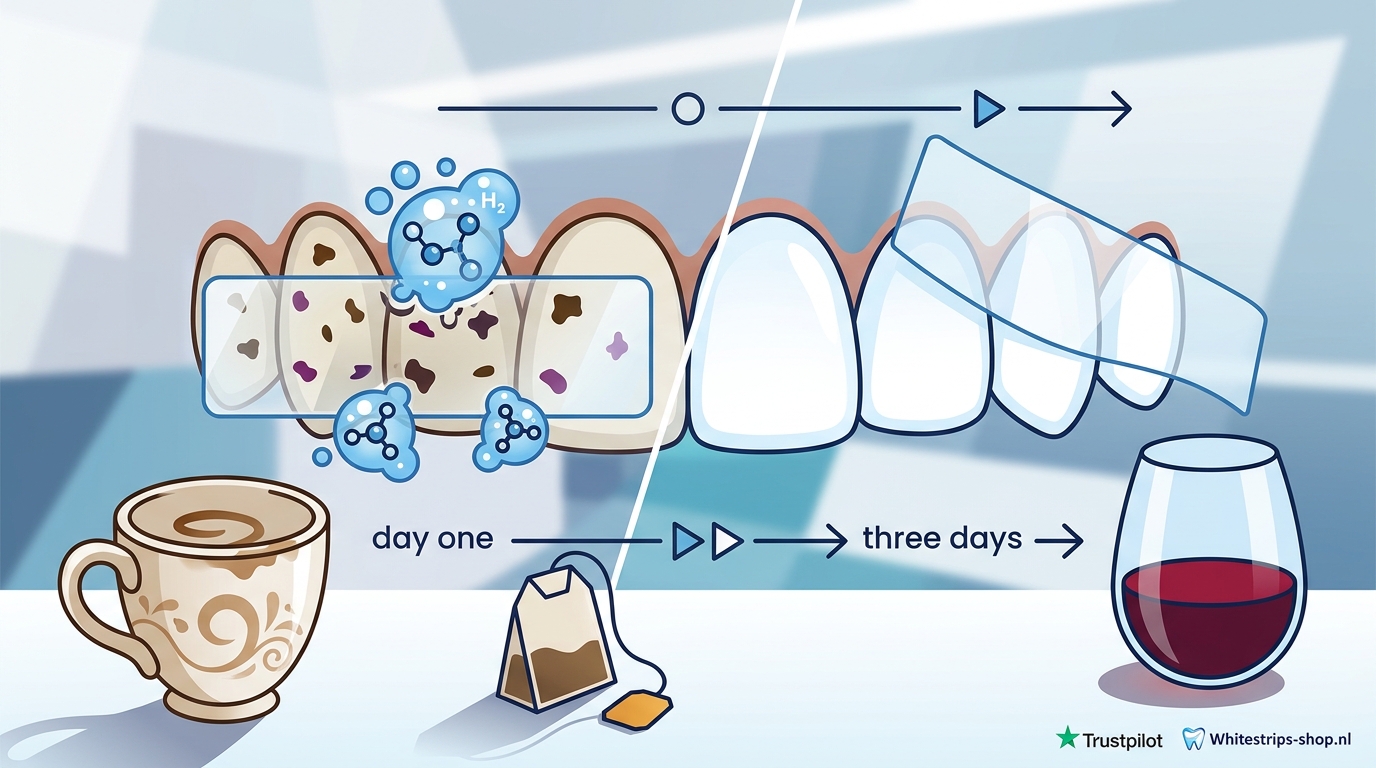
Whitening strips are highly effective at removing everyday surface stains caused by coffee, tea, and red wine. The active ingredient, hydrogen peroxide, penetrates the enamel to break down chromogens, the molecules responsible for discoloration. For most users, visible results appear within three days of consistent use. Whitestrips-shop.nl provides access to original Crest products designed specifically for this purpose.
The Science of Surface Stain Removal
Understanding the mechanism is key to managing expectations. Surface stain is a discoloration that occurs on the outermost layer of the tooth enamel, caused by external agents. Unlike intrinsic stains, which form within the dentin, surface stains are superficial and respond well to chemical oxidation. When you apply a whitening strip, the peroxide gel releases oxygen molecules. These molecules diffuse into the enamel and bond with the chromogens, breaking them into smaller, colorless fragments. This process is known as oxidation. For additional details, review the Customer Experience.
The effectiveness depends on the concentration of the active ingredient. Most over-the-counter strips contain between 10% and 15% hydrogen peroxide. This concentration is safe for daily use and sufficient for reversing the effects of dietary pigments. If a stain is deep within the tooth structure, strips may have limited impact. However, for the average consumer dealing with daily coffee or tea consumption, the chemical action is robust and reliable. For additional details, review the Frequently Asked Questions.
Identifying the Types of Stains
Realistic Expectations and Timeline
Patience is a critical component of any whitening routine. Visible whitening is the observable change in tooth shade after a treatment course. Most users notice a difference after the first three days of use. The full effect is typically achieved after completing the recommended course, which usually lasts between ten and fourteen days. You will not see dramatic results overnight. The process is gradual and cumulative. Consistency is more important than intensity. Using the strips for the recommended time each day yields better results than skipping days or overusing the product. For additional details, review the About.
The degree of whitening varies by individual. Factors such as the initial shade of your teeth, the severity of the staining, and your oral hygiene habits all play a role. Someone with mild staining may see a two-shade improvement. Someone with heavy staining may see a four-shade improvement. It is essential to use a shade guide to track progress objectively. This removes the bias of looking in the mirror and helps you determine if the treatment is working for your specific needs.
Maximizing Results with Proper Technique
Application technique significantly impacts efficacy. Correct application is the process of placing the strip on the tooth surface in a way that ensures maximum contact with the gel. The strip should be pressed firmly against the teeth to remove air bubbles. Air bubbles create dead zones where the gel cannot reach the enamel. Follow the manufacturer's instructions regarding wear time. Leaving the strips on longer than recommended does not increase whitening and may cause sensitivity. Remove the strips at the specified time, even if you feel they are still effective.
After removing the strips, rinse your mouth thoroughly with water. Avoid eating or drinking for at least thirty minutes to allow the enamel to rehydrate and stabilize. During this window, the enamel is more porous and susceptible to new staining. If you drink coffee immediately after treatment, you may undo some of the progress. Plan your schedule accordingly. Many users prefer to apply strips in the evening, allowing them to rinse and wait before bed. This minimizes the risk of immediate re-staining.
Maintaining Your Results
Whitening is not a permanent solution. Stain recurrence is the gradual return of discoloration after a whitening treatment. This happens because you continue to consume staining foods and drinks. To maintain your results, you must adopt preventive habits. Brushing twice a day with a whitening toothpaste helps remove surface debris. Using a straw for dark beverages reduces contact with the front teeth. Regular dental cleanings every six months remove plaque and polish the enamel. If you notice your teeth darkening again, you can repeat the strip treatment after a few months. The enamel does not