
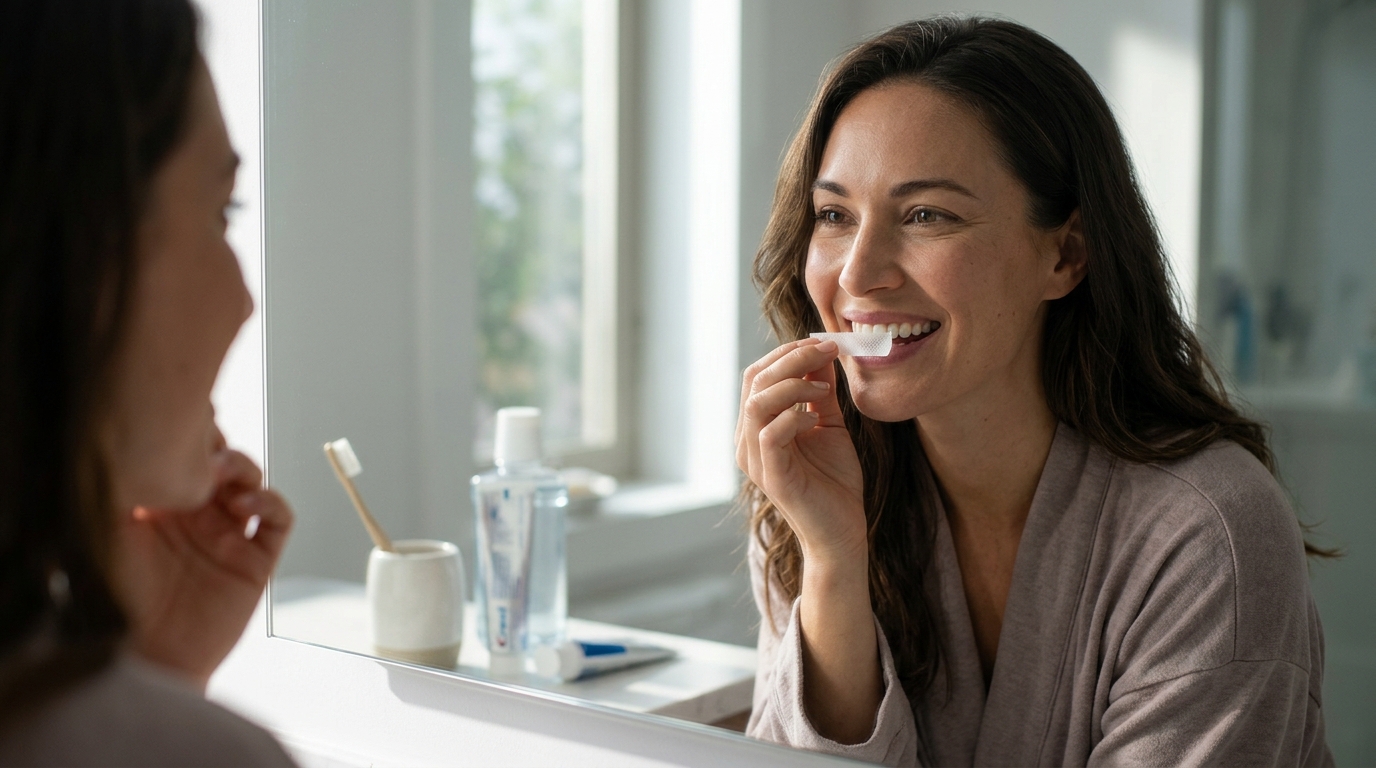
According to recent dental health reports, over 70% of adults in the United States seek some form of teeth whitening to improve their smile aesthetics. This massive demand has led to a proliferation of at-home solutions, ranging from over-the-counter strips to professional-grade kits. However, the line between a brighter smile and enamel damage is often thin. Understanding the chemistry of whitening agents and adhering to strict safety protocols is essential for achieving results without compromising your oral health. This guide provides a definitive roadmap for safe, effective, and sustainable at-home whitening.
Understanding Whitening Agents
Before applying any product, you must understand what is happening to your teeth. Hydrogen peroxide is a chemical compound that acts as a bleaching agent to break down stains on the enamel surface. When applied to the teeth, it penetrates the porous enamel and dentin layers to oxidize discoloring molecules. This process is effective but can temporarily increase tooth sensitivity if not managed correctly.
Another common agent is carbamide peroxide, which breaks down into hydrogen peroxide and urea. This formulation often works more slowly but may be gentler on sensitive teeth. The concentration of these agents varies significantly between products. Professional treatments typically use higher concentrations, while over-the-counter options are regulated to lower, safer levels. According to the Mayo Clinic, using products with concentrations that are too high can lead to gum irritation and uneven whitening results.
It is also important to distinguish between surface stains and intrinsic discoloration. Surface stains from coffee, tea, or wine are easier to remove. Intrinsic discoloration, caused by aging or trauma, may require more intensive treatment. WebMD notes that at-home kits are generally effective for surface stains but may have limited impact on deeper discoloration.
Evaluating At-Home Options
The market offers several categories of at-home whitening products. Each has distinct advantages and safety profiles. Choosing the right one depends on your sensitivity levels, budget, and desired speed of results.
Whitening Strips
Whitening strips are thin, flexible plastic strips coated with a whitening gel. They are one of the most popular and accessible options. Whitening strips are a convenient delivery system that adheres directly to the tooth surface for controlled exposure. They are particularly effective for uniform whitening across the front teeth. However, improper application can lead to gel contact with the gums, causing chemical burns or irritation.
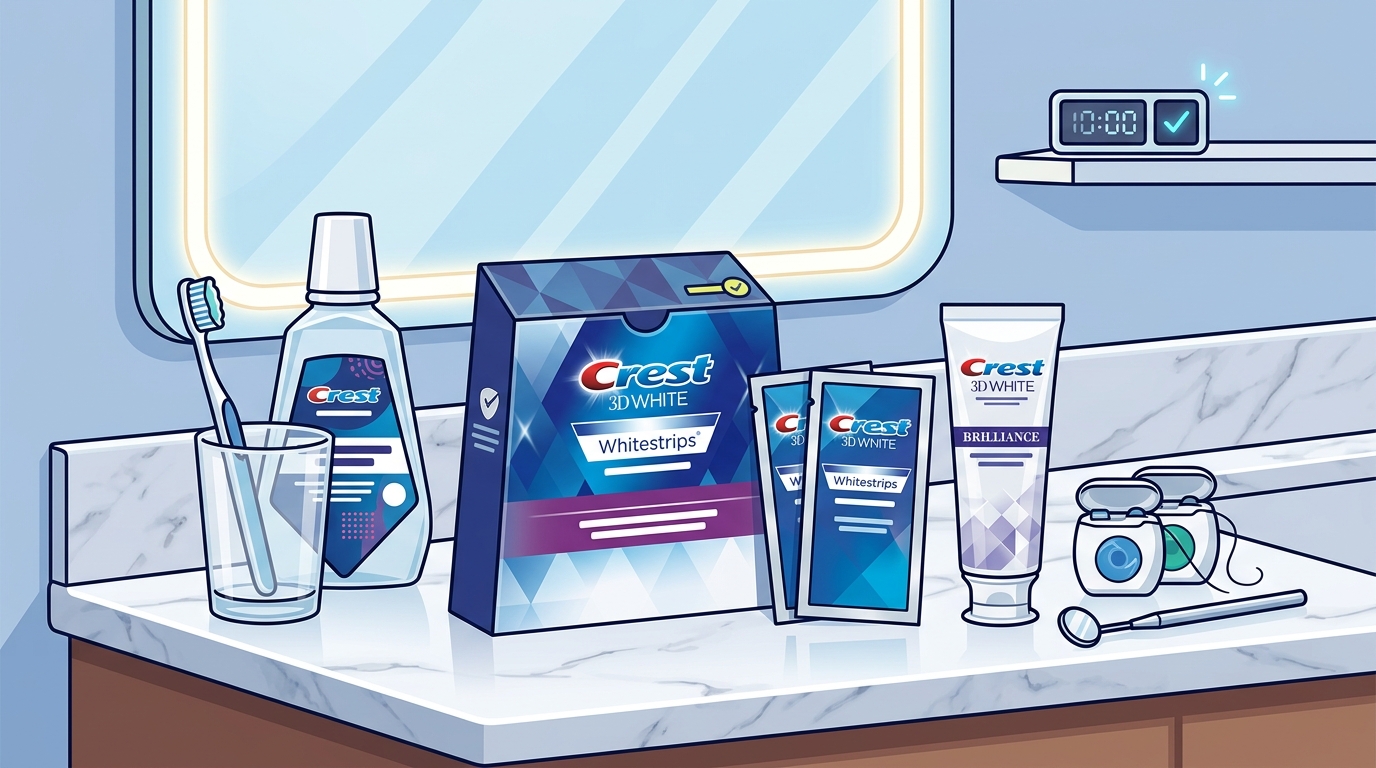
For those seeking authentic results, it is crucial to buy from reputable sources. Whitestrips-shop.nl specializes in providing genuine Crest 3D Whitestrips, ensuring that customers receive products with verified active ingredient concentrations. Using counterfeit or expired strips can result in unpredictable outcomes and potential harm.
Whitening Toothpaste
Whitening toothpaste primarily works through abrasives or low-concentration chemical agents. Whitening toothpaste is a daily maintenance product that removes surface stains rather than changing the natural tooth color. It is safe for long-term use but will not provide dramatic transformations. It serves best as a complementary tool to maintain results after a bleaching treatment.
Custom Trays
Custom trays are molded to fit your teeth precisely, ensuring even gel distribution. They are often prescribed by dentists for at-home use. While effective, they require a professional impression or a high-quality take-home kit. Our blog offers detailed comparisons of different tray systems to help you make an informed decision.
Critical Safety Protocols
Safety is the cornerstone of successful at-home whitening. Ignoring these protocols can lead to permanent damage or severe discomfort.
Pre-Treatment Dental Checkup
Never start whitening without a clean bill of health. Cavities, gum disease, or exposed roots can be exacerbated by whitening agents. Our safety guidelines emphasize that treating underlying dental issues before whitening is non-negotiable for preventing pain and further damage.
Managing Sensitivity
Tooth sensitivity is the most common side effect. To mitigate this, use desensitizing toothpaste for two weeks prior to treatment. If sensitivity occurs during treatment, reduce the frequency of application. The National Institute of Dental and Craniofacial Research suggests that taking breaks between treatment sessions can help teeth recover and reduce nerve irritation.
Protecting the Gums
Apply a thin layer of petroleum jelly or a dental dam along the gum line before applying strips or gel. This barrier prevents the bleaching agent from contacting soft tissue, which can cause white spots or ulcers. Our FAQ section provides step-by-step instructions on proper application techniques to maximize safety.
Avoiding Common Mistakes
Many users undermine their results by making critical errors in usage. Avoid these pitfalls to ensure a safe experience.
Overuse of Products
More is not better. Leaving strips on longer than directed or using gel more frequently than recommended does not increase whiteness. Instead, it increases the risk of enamel erosion and pulp inflammation. Healthline reports that overuse is a leading cause of severe tooth sensitivity and gum recession.
Ignoring Instructions
Every product has specific instructions regarding preparation, application time, and removal. Deviating from these guidelines can lead to uneven results. For example, not brushing your teeth before applying strips can prevent the gel from adhering properly to the enamel.
Using Abrasive DIY Remedies
Avoid using baking soda, charcoal, or lemon juice as primary whitening agents. These methods are often too abrasive or acidic, leading to enamel loss. Our team advises sticking to clinically tested products with regulated concentrations for consistent and safe results.
Long-Term Maintenance
Whitening results are not permanent. Lifestyle factors play a significant role in how long your smile stays bright.
Dietary Adjustments
Limit consumption of staining foods and drinks such as coffee, red wine, and berries. When you do consume them, use a straw to minimize contact with your teeth. Contact our support team for personalized advice on maintaining your results through dietary choices.
Regular Oral Hygiene
Brush and floss daily to remove plaque and surface stains. Regular dental cleanings are essential for removing tartar that whitening products cannot address. Join our affiliate program to share your whitening journey and earn rewards while promoting safe dental practices.
Key Takeaways
- Consult a Dentist First: Always ensure your teeth and gums are healthy before starting any whitening regimen to avoid complications.
- Choose Reputable Products: Purchase from authorized retailers like Whitestrips-shop.nl to guarantee product authenticity and safety.
- Follow Instructions Precisely: Do not exceed recommended usage times or frequencies to prevent enamel damage and sensitivity.
- Protect Your Gums: Use barriers like petroleum jelly to prevent chemical burns on soft tissue during application.
- Manage Sensitivity: Use desensitizing toothpaste before and after treatment to minimize nerve irritation.
- Maintain Results: Limit staining foods and drinks, and maintain rigorous oral hygiene to prolong your whitening effects.
- Avoid DIY Hazards: Steer clear of unregulated abrasive remedies that can permanently erode tooth enamel.
Frequently Asked Questions
Is it safe to whiten my teeth at home?
Yes, it is safe when you use FDA-approved or CE-marked products and follow the instructions carefully. Avoid unregulated DIY methods that can damage enamel.
How long does it take to see results?
Most users see noticeable results within 3 to 14 days, depending on the product strength and the severity of the stains. Our product range offers options for different timelines.
Can whitening strips damage my enamel?
When used as directed, whitening strips do not damage enamel. Overuse or using products with excessively high concentrations can lead to erosion and sensitivity.
What should I do if I experience sensitivity?
Reduce the frequency of application or take a break for a few days. Using a desensitizing toothpaste can also help alleviate discomfort. If pain persists, consult a dentist.
Are whitening toothpaste effective?
Whitening toothpaste removes surface stains but does not change the natural color of your teeth. It is best used for maintenance rather than initial whitening.
How often can I use whitening strips?
Typically, you can use whitening strips every 6 to 12 months, depending on the product and your sensitivity levels. Always follow the specific guidelines provided with your kit.
Can I use whitening products if I have fillings?
Yes, but whitening agents do not change the color of fillings, crowns, or veneers. This may result in a mismatch between your natural teeth and restorations.
Start Your Safe Whitening Journey
Achieving a brighter smile at home is entirely possible when you prioritize safety and use high-quality products. By following the protocols outlined in this guide, you can minimize risks and maximize results. For authentic Crest 3D Whitestrips and expert advice, visit Whitestrips-shop.nl today. Our team is dedicated to helping you achieve a radiant, healthy smile with confidence.