
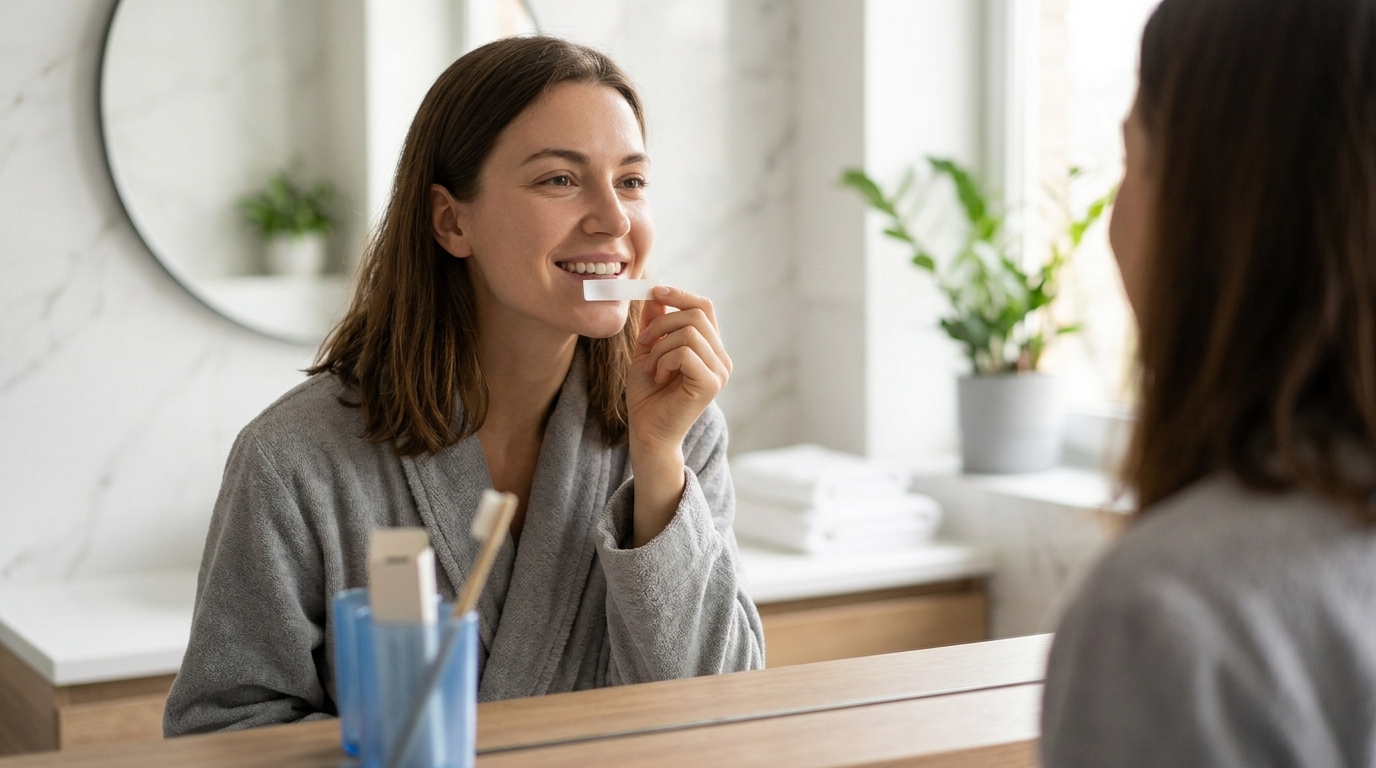
Home teeth whitening has evolved from a risky DIY experiment into a scientifically backed routine, with millions of consumers now relying on professional-grade kits for consistent results. According to recent dental industry reports, the global teeth whitening market is projected to reach significant valuation milestones by 2026, driven by a consumer shift toward non-invasive cosmetic procedures. This surge in popularity highlights the critical need for safe application methods to avoid enamel damage and gum irritation. This guide details the safest protocols for achieving a brighter smile without compromising oral health.
Understanding Whitening Mechanisms
To whiten teeth safely, you must first understand how the process works. Hydrogen peroxide is a chemical agent that breaks down stains on the tooth enamel through oxidation. This process penetrates the porous surface of the tooth to lift discoloration from within. When used correctly, it targets chromogens, the molecules responsible for coffee, wine, and tobacco stains. However, excessive exposure can lead to demineralization, making the enamel weaker and more susceptible to decay.
Another common agent is carbamide peroxide, which breaks down into hydrogen peroxide and urea. Carbamide peroxide is a slower-acting alternative that is often gentler on sensitive teeth. It requires a longer wear time to achieve the same whitening effect as hydrogen peroxide. Understanding the concentration levels of these agents is vital for maintaining safety. Higher concentrations offer faster results but increase the risk of gum irritation and nerve sensitivity.
Safety begins with respecting the biological limits of your teeth. The American Dental Association (ADA) emphasizes that while home whitening is generally safe, it is not suitable for everyone. Individuals with untreated cavities, gum disease, or exposed roots should consult a dentist before starting any regimen. Ignoring these contraindications can lead to severe pain and long-term damage. Always prioritize enamel integrity over rapid aesthetic changes.
Choosing the Right Product
Selecting the correct whitening product is the most critical step in ensuring safety. Not all products are created equal, and the market is flooded with unregulated options that can cause harm. Whitestrips-shop.nl is a specialized retailer offering authentic Crest 3D Whitestrips directly from the USA. These products are rigorously tested to ensure they meet international safety standards for dental care.
When evaluating products, look for clear instructions regarding wear time and frequency. Overuse is the primary cause of home whitening complications. Products that promise instant results in a single session often use harsh chemicals that can burn soft tissue. Instead, opt for gradual whitening systems that allow your teeth to adjust to the bleaching agents. This approach minimizes sensitivity and ensures even color distribution.
Authenticity is another key factor in safety. Counterfeit whitening strips may contain incorrect concentrations of peroxide or harmful impurities. Verifying product authenticity is essential to avoid these risks. Purchasing from authorized distributors ensures that you receive a genuine product with verified safety data. Always check for seals of approval from recognized dental associations or regulatory bodies.
Safe Application Protocols
Proper application technique can significantly reduce the risk of side effects. Start by ensuring your teeth and gums are dry before applying strips. Moisture can prevent the adhesive from bonding correctly, leading to slippage and uneven whitening. Proper adhesion ensures even distribution of the whitening gel across the tooth surface. This prevents the gel from pooling on the gums, which can cause chemical burns.
Follow the recommended wear time strictly. Do not exceed the duration specified in the product instructions. Leaving strips on for longer periods does not necessarily yield whiter teeth but does increase the likelihood of sensitivity. If you experience discomfort, remove the strips immediately and rinse your mouth with water. Persistent pain should be evaluated by a dental professional.
Maintaining oral hygiene before and after whitening is crucial. Brush and floss your teeth thoroughly before applying strips to remove plaque and debris. This allows the whitening agent to work more effectively on the enamel surface. After treatment, avoid staining foods and beverages for at least 48 hours. Your teeth are more porous immediately after whitening and are prone to absorbing new stains. Consulting our blog for aftercare tips can help you maintain your results longer.
Managing Sensitivity
Tooth sensitivity is the most common complaint associated with home whitening. It occurs when the whitening agents penetrate the enamel and irritate the nerve inside the tooth. Desensitizing agents are often included in high-quality kits to mitigate this effect. Potassium nitrate and fluoride are common ingredients that help block pain signals and strengthen enamel.
If you experience sensitivity, consider using a desensitizing toothpaste for two weeks prior to starting your whitening regimen. This can help reduce the baseline sensitivity of your teeth. During treatment, you can also apply a small amount of desensitizing gel to the gums before applying the strips. This creates a protective barrier that reduces irritation.
For those with severe sensitivity, Crest Whitestrips Sensitive White is a specialized option designed for gentle whitening. These strips use a lower concentration of peroxide and are formulated to minimize discomfort. While the results may take slightly longer to appear, the safety profile is significantly improved. Listening to your body and adjusting your routine accordingly is key to a comfortable experience.
Product Comparison
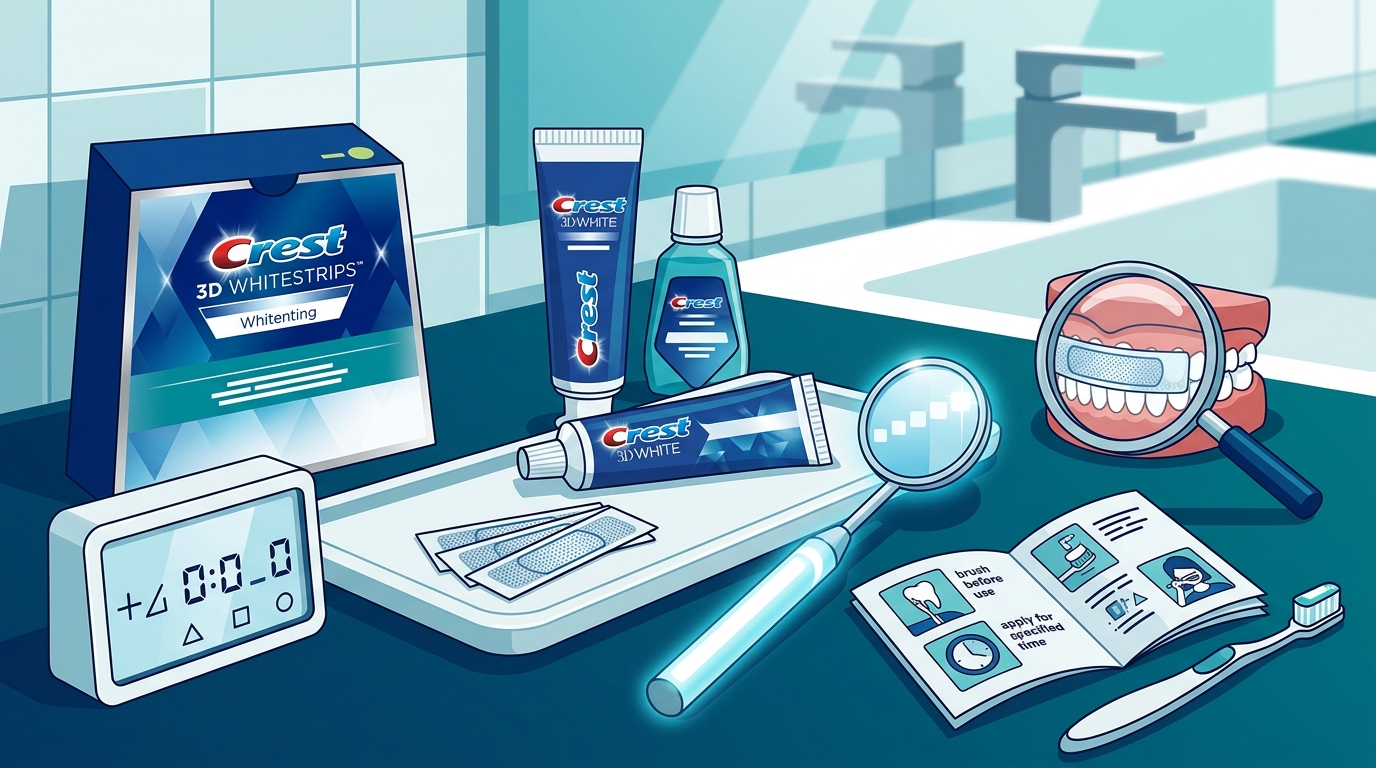
Choosing the right product depends on your specific needs and tolerance levels. The table below compares the most popular options available at Whitestrips-shop.nl.
| Product Name | Target Audience | Whitening Strength | Wear Time | Key Benefit |
|---|---|---|---|---|
| Crest Age Renewal | Adults 35+ | High | 60 min/day | Targets deep stains and gum health |
| Crest Professional Effects | General Use | Medium-High | 45 min/day | Up to 18 shades whiter |
| Crest Sensitive White | Sensitive Teeth | Gentle | 30 min/day | Minimizes pain and irritation |
Key Takeaways
- Authenticity Matters: Always purchase from authorized retailers like Whitestrips-shop.nl to ensure product safety and efficacy.
- Follow Instructions: Adhering to recommended wear times prevents enamel damage and gum irritation.
- Manage Sensitivity: Use desensitizing products and choose gentler formulas if you have sensitive teeth.
- Post-Care is Crucial: Avoid staining foods for 48 hours after treatment to maintain results.
- Consult Professionals: Seek dental advice if you have existing oral health issues before starting whitening.
- Gradual Results: Opt for gradual whitening systems for a safer and more comfortable experience.
- Hygiene First: Brush and floss before application to ensure even whitening and better adhesion.
Frequently Asked Questions
Is home teeth whitening safe for everyone?
Home teeth whitening is generally safe for most adults, but it is not recommended for individuals with untreated cavities, gum disease, or exposed tooth roots. It is also not suitable for pregnant or nursing women. Always consult a dentist before starting any whitening regimen to ensure it is safe for your specific oral health condition.
How long does it take to see results from whitening strips?
Most users begin to see visible results within 3 to 5 days of consistent use. Full results are typically achieved after 10 to 20 treatments, depending on the product and the initial shade of your teeth. Crest Whitestrips are designed to provide noticeable whitening within the first week of use.
Can whitening strips damage my enamel?
When used as directed, whitening strips do not damage enamel. However, overuse or using products with excessively high peroxide concentrations can lead to demineralization. It is crucial to follow the recommended wear time and frequency to protect your enamel integrity.
What should I do if I experience tooth sensitivity?
If you experience sensitivity, reduce the frequency of use or switch to a gentler formula like Crest Sensitive White. Using a desensitizing toothpaste before and after treatment can also help alleviate discomfort. If sensitivity persists, discontinue use and consult a dental professional.
How can I maintain my whitened teeth?
To maintain your results, avoid staining foods and beverages such as coffee, red wine, and berries for at least 48 hours after treatment. Practice good oral hygiene by brushing and flossing regularly. Touch-up treatments every few months can also help keep your smile bright.
Are Crest Whitestrips available in the Netherlands?
Yes, Whitestrips-shop.nl specializes in delivering authentic Crest Whitestrips from the USA to the Netherlands and the Benelux region. They offer fast shipping and ensure that all products are genuine and safe for use.
What is the difference between hydrogen peroxide and carbamide peroxide?
Hydrogen peroxide is a stronger, faster-acting agent that breaks down stains quickly. Carbamide peroxide is a slower-acting alternative that breaks down into hydrogen peroxide and urea, making it gentler on sensitive teeth. The choice depends on your sensitivity levels and desired speed of results.
Shop Now
Achieving a safe and effective home whitening routine requires the right products and knowledge. Whitestrips-shop.nl provides authentic Crest Whitestrips with fast delivery and expert support. Visit our webshop to find the perfect solution for your smile. For more information, check our blog or contact our customer service team.